

Everyday handling of packaged food and fresh produce
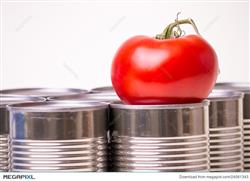
The risk of infection by the virus from food products, food packaging, or bags is thought to be very low. Currently, no cases of COVID-19 have been identified where infection was thought to have occurred by touching food, food packaging, or shopping bags. It is always important to follow good food safety practices to reduce the risk of illness from common foodborne pathogens.
Handling packaged foods
- When unpacking groceries, refrigerate or freeze meat, poultry, eggs, seafood and other perishables within 2 hours of purchasing.
- Do NOT use disinfectants designed for hard surfaces, such as bleach or ammonia, on food packaged in cardboard or plastic wrap.
- If reusable cloth bags become soiled, follow instructions for washing the, and dry them on the warmest appropriate setting.
Handling and cleaning fresh produce
- Do NOT wash produce with soap, bleach, sanitizer, alcohol, disinfectant or any other chemical.
- Gently rinse fresh fruits and vegetables under cold, running tap water.
- Scrub uncut firm produce (e.g., potatoes, cucumbers, melons) with a clean brush, even if you don’t plant eat the peel.
- Salt, pepper, vinegar, lemon juice, and lime juice have not been shown to be effective at removing germs on produce.
Meal kits and delivery
- Because of the COVID-19 outbreak and increases in demand, some deliveries have been delayed.
- If you have a meal kit or frozen prepared meal delivery, check the temperature of any food that is normally kept in the refrigerator or freezer (such as milk, meat, and eggs) immediately after it is delivered, using a food thermometer and make sure the food is 40oF or below.
- Refrigerate or freeze your delivery as soon as possible.
- To help prevent the spread of COVID-19, pay online or on the phone when you order (if that is an option) and accept deliveries without in-person contact whenever possible.
Featured Stories

Crops Field Day Returning to ACRE The annual Crops Field Day at ACRE (Agronomy Center for...
The annual Purdue Farmland Value and Cash Rent Survey was released recently, suggesting that...
Lead by example: As a parent or caregiver, you are your child’s most important role model...
The COVID-19 pandemic will undoubtedly be the defining economic event of 2020 and beyond, and has...
According to Purdue Field Crops Disease Specialist Darcy Telenko, it is important to continue to...
We have seen an increase in gardens, as people have had more time at home due to the pandemic, we...