

Actively managing natural resources
Conservation through Community Leadership is bringing different interest groups together to plan the future of Cedar Creek, which flows 31.9 miles from northwestern DeKalb County through the center of Auburn and into Allen County, where it joins the St. Joseph River.
The program, a partnership of Purdue Extension and Illinois-Indiana Sea Grant, helps communities plan and think through environmental challenges. They used the Tipping Point Planner, which helps communities directly link data to their local decision-making processes. “Cedar Creek presents a unique challenge,” says Allen Haynes, natural resources coordinator in DeKalb County.
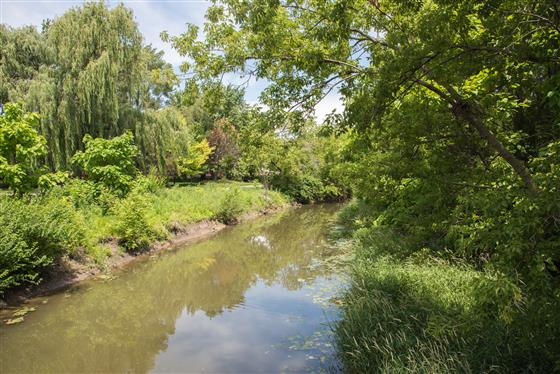
The Indiana Department of Natural Resources in 1976 designated a portion of Cedar Creek that crosses county lines as one of only three in its Indiana natural, scenic and recreational river systems. But the two counties govern and manage their sections of Cedar Creek differently, and environmental, agricultural and recreational groups have long debated its use, Haynes says.
“Everybody had pieces of this thing, but it was so fragmented that nobody knew what the puzzle looked like,” he says.
Although everyone wanted to preserve the integrity of the designated area, “We didn’t know how to manage it in a way that all parties are served well,” Haynes explains. “It wasn’t, ‘What needs to be done?’ but more, ‘How do we do it?’”
This year Kara Salazar, Assistant Program Leader and Extension Specialist for Sustainable Communities, and her team pivoted largely to online programming to help the Cedar Creek Collaboration begin addressing natural resource conservation, agriculture and land use planning issues related to Cedar Creek.
“Purdue Extension has given us the facilitation piece,” Haynes says. “Giving everyone an opportunity to come to the table is a good first step. We’re going to end up with an action plan.”
Since 2014, Purdue Extension and Illinois-Indiana Sea Grant have collaborated with 22 communities on their environmental planning efforts, using the Tipping Point Planner and Conservation through Community Leadership programs to successfully address environmental challenges.
See how Extension served your Indiana community in the 2020 Purdue Extension Impact Report: extension.purdue.edu/annualreport/.
Featured Stories
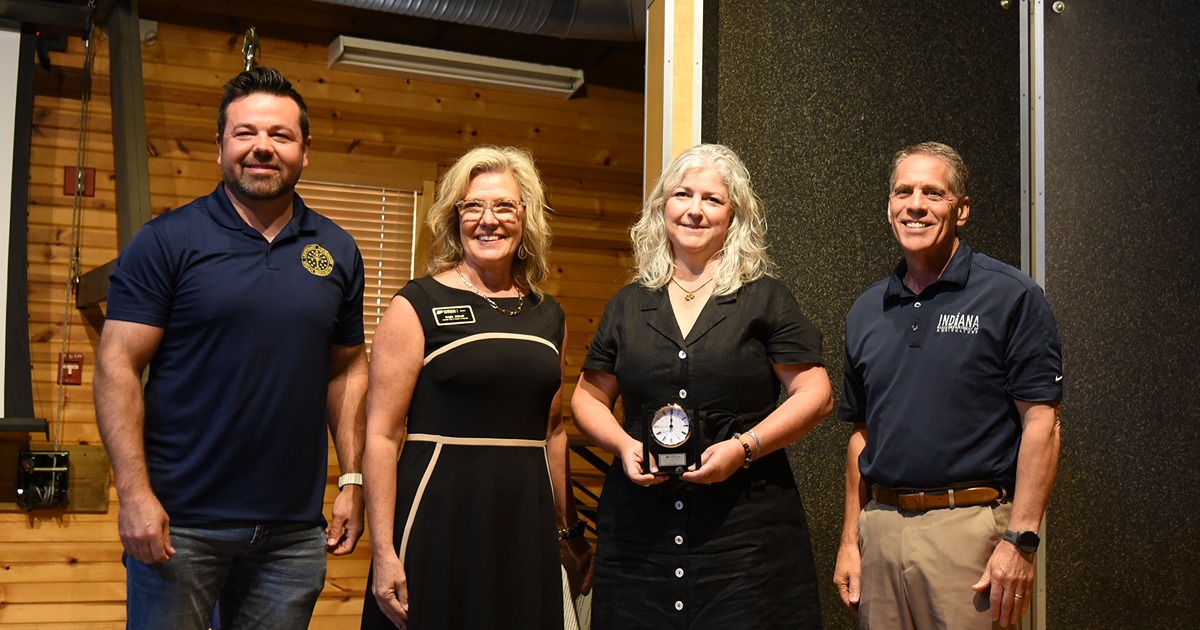
WEST LAFAYETTE, Ind. — Purdue Extension’s EDGE in Ag program recognized three...
![4-H volunteer Kristi Kretzmeier, left, stands with her husband, two daughters, two 4-H youth, and a show sheep. One youth, Kyle Albertson, sits in a motorized wheelchair, and his sheep is held in place[MCM1.1] by a specialized wheelchair attachment.](../../2026/08/_media/4-h-volunteers_mobile-square.jpg)
Summer days are for 4-H in the Kretzmeier household. If you’re looking for Kristi...
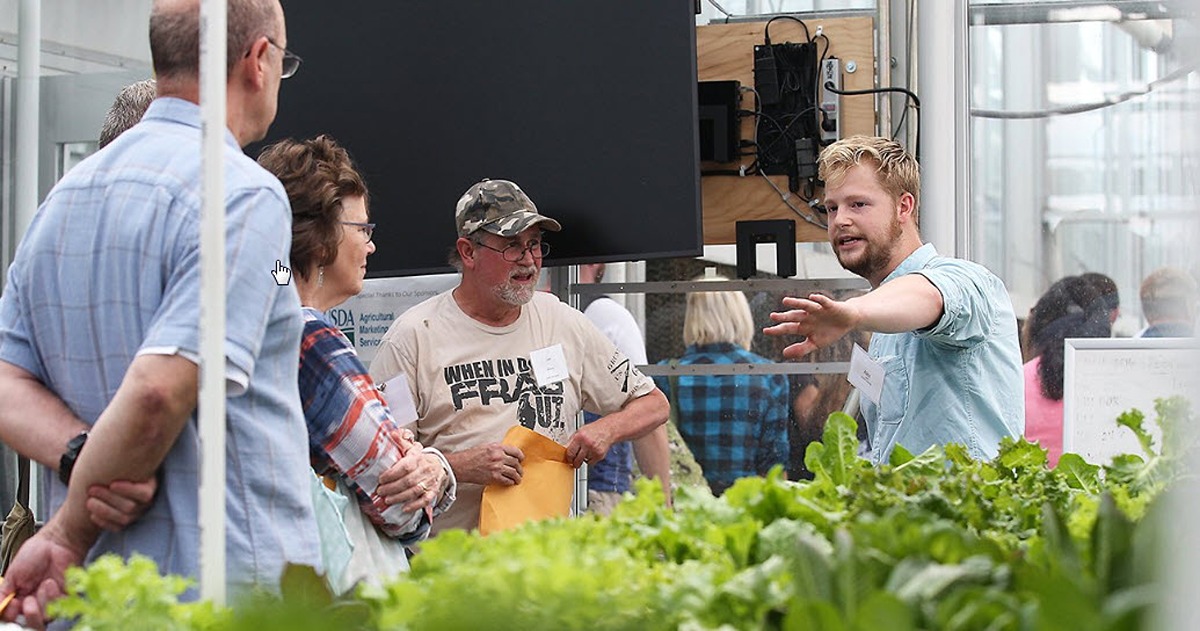
WEST LAFAYETTE, Ind. — Purdue University’s Department of Horticulture and Landscape...

WEST LAFAYETTE, Ind. — The Indiana State Fair kicks off Aug. 7 with the theme “Always...

Tom Clements walked into Porter County Aging and Community Services looking for a tutor to help...

With fresh, flavorful strawberries in high demand across Indiana so are Purdue Extension...