


YOUR DONATION SUPPORTS OUR EFFORTS TO STRENGTHEN FAMILIES AND IMPROVE COMMUNITY HEALTH.
GIVE TO PURDUE HHS EXTENSIONYOUR DONATION SUPPORTS OUR EFFORTS TO STRENGTHEN FAMILIES AND IMPROVE COMMUNITY HEALTH.
GIVE TO PURDUE HHS EXTENSIONPlanning for a Secure Retirement
Course Overview
Are you looking forward to the day you retire? Or, do you dread the thought? Being able to retire when you want and how you want is important to many people. Planning ahead can put you in a position to live comfortably during your retirement.
The objective of this course is to help you with your planning for retirement. Each of the ten modules provides information that can be valuable in answering the questions you need to consider as you make your plans. The modules include specific goals, activities to complete, and sources for more information.
Before you begin, you may go to the Guide and print out the entire document. Use this Guide with the modules.
Begin your planning with a couple of exercises that will help you determine if you are able to retire.
1a: Retirement Readiness Rating
Identify personality traits related to the way in which you manage your money.
The Retirement Personality Profiler is a series of questions to help you identify your financial personality.
Retirement Personality Profiler
(Source: USA News & World Report)
Your retirement personality type will influence many of the factors that go into planning your retirement, such as how much money you’ll need and where you’ll live. Which one or ones describe you? (Hughes, 2017)
You should allow about 15 minutes to answer the questions.
1b: Life expectancy calculators
Estimate how long you will live.
When you start to plan for retirement, it is helpful to think about how long you will live.
There are several calculators that will help you think about all of the factors that are involved, such as your health and how long your parents lived.
Lifespan Calculator
(Source: Northwestern Mutual)
This calculator helps you to determine possible life expectancy by asking questions about your lifestyle.
1c: Risk tolerance
Determine your level of risk tolerance for saving and investing.
When you begin to plan for retirement, you will want to think about your level of risk tolerance when making investment decisions.
This calculator will help you to determine what your risk tolerance is at present.
Investment Risk Tolerance Quiz
(Source: New Jersey Agricultural Experiment Station Rutgers, The State University of New Jersey)
This questionnaire, Investment Risk Tolerance Quiz, was developed by Rutgers University. There are 13 questions to answer.
Follow-up: Ask your spouse or partner to evaluate his or her risk tolerance. Then discuss how you feel jointly about the level of risk you are comfortable with in saving for retirement.
1d: Your retirement lifestyle
Describe what you want in retirement.
The amount of money you will need in your retirement years depends on the lifestyle you plan to lead. The following list of questions will help you decide what you really want in retirement.
- Will you stay in your current home, move to a different location, or purchase a smaller home or a vacation home?
- Will you want to work for additional income? Will you want to start a new career?
- What do you want to do with your time? Hobbies? Travel? Recreation? Volunteer?
- What will you do for transportation? Use your own car or public transportation.
- How often will you eat out or entertain friends or family?
- How will your clothing and personal needs change?
- What medical risks are you likely to face?
- What would you like to do if your health declines and you need help with daily living? Stay in your own home? Move in with your children?
Module 2: Expenses in Retirement
It is important to think about what your expenses will be after retirement. A rule of thumb is that 70% – 80% of your current income will be sufficient in retirement.

Retirees who plan to be very active may need the same amount of income in retirement that they earn at present.
Retirement Calculators
(Source: Vanguard)
There are also other calculators on the site that might be helpful.
Before you use the calculators, you will need to gather information about your current expenses.
Obtain estimates of Social Security retirement benefits and how it is affected by different retirement options.
3a: General Social Security
Obtain basic information about Social Security
Many people will be eligible for Social Security retirement benefits. If you want general information about Social Security, you should begin at the Social Security website.
When to Start Retirement Benefits
(Source: Social Security Administration)
This information can help you understand how Social Security can fit into your retirement decisions.
3b: Retirement age
See what happens to Social Security benefits if you retire early or delay retirement.
The age you choose to retire will determine the Social Security retirement benefits you receive.
Resources
Early Retirement
(Source: Social Security Administration)
You will find a chart to show the year of birth, full retirement age (years and months reflecting the changes), and the percentage benefits are reduced for early retirement. You should allow about 15 minutes to examine the chart.
Delaying Retirement
(Source: Social Security Administration)
This link will provide information about delaying retirement.
3c: Social Security benefits calculators
Compute estimates of your Social Security benefits.
Social Security has a number of ways for you to estimate your Social Security benefits online.
You can use the Social Security Estimator to compute estimates of your future Social Security retirement benefits. The Social Security Estimator will give you estimates based on your actual Social Security earnings record. You can use the Estimator if you are not currently receiving benefits on your own Social Security record, are not a Medicare beneficiary, have enough Social Security credits at this time to qualify for Social Security, and are NOT eligible for a pension based on work not covered by Social Security.
This estimator requires you to log in before it provides an estimate similar to the estimate that you receive in your Social Security Statement each year. You can also create “what if” scenarios using this estimator. Since this estimator links to your actual Social Security records, there are time limits for each page of the estimator to help keep your information secure.
If you qualify to use the Social Security Estimator, go to Plan for Retirement. If you are not eligible to use it or don’t want to log in, you can use one of the other options for estimating your Social Security retirement benefits.
There are 3 other options that are not linked to your Social Security record and which are based on your input:
- The Quick Calculator gives rough estimates of benefits at age 62, at full retirement age, and at 70.
- The Online Calculator gives benefit estimates based on past, present, and projected future earnings.
- The Detailed Calculator produces the most precise estimates and allows you to customize your projections for retirement, survivors, and disability benefits for yourself and your family based on differing scenarios.
Once you have an estimate you may want to link to additional charts and calculators provided on the Social Security website to earnings, pensions, and different retirement dates that can affect your benefits.
You can try the Quick Calculator for David. He was born in 1955. His earnings this year are $30,000. Try the quick calculator to estimate David’s social security benefits. Next, try the Quick Calculator using your age and earnings for this year.
Get an estimate for the amount of income needed in your retirement.
4a: Do you have other sources of retirement income?
Get a ballpark estimate for the amount of income needed in your retirement.
Goal: to understand what the sources of income are for current retirees and to consider possible sources of future retirement income.
Ballpark Estimate Worksheet
(Source: American Savings Education Council)
The Ballpark Estimate will help you estimate what your income will be in retirement.
4b: What are the sources of income for current retirees?
Composition of income for people over 65 across income groups.
According to the 2019 Retirement Confidence Survey:
(Source: Employee Benefit Research Institute)
- Nearly 9 in 10 retirees reported they receive income from social security
- 4 in 10 reported income from a defined benefit plan or employer-sponsored retirement savings plan, such as a 401(k)
- 7 in 10 receive income from personal savings and investments
- 7 in 10 expect to receive income from an individual retirement account (IRA)
- And 3 in 10 retirees reported working for pay at some time during their retirement
4c: What do current workers say about planning for retirement?
Results of the 2008 Retirement Confidence Survey
According to the 2019 Retirement Confidence Survey:
(Source: Employee Benefit Research Institute)
- Over 8 in 10 retirees reported that they will have enough money saved to live comfortably during retirement
- 1 in 4 retirees reported that their debt would be a problem with their savings for retirement
- 4 in 10 retirees reported retiring earlier than they had planned
- 4 in 10 workers have tried to calculate how much money they will need for retirement
- 2 in 3 workers feel confident that they have selected the correct retirement plans and products for their personal situations
- 1 in 4 workers find information from work or an employer to help with their retirement decisions
4d: What can you do to increase your retirement income?
Increasing your retirement income
-
Participate in employer pension plans when eligible to do so.
-
Contribute as much as possible to a retirement plan at work. Your employer may provide a matching contribution and it is important to contribute enough to receive the “matching amount.”
-
Establish an Individual Retirement Account and contribute to it annually, if you are eligible.
-
Work part-time after retirement.
-
Save regularly by having an amount d from your paycheck.
If you want more information about basic investing, see Investing for Your Future (Source: Rutgers Cooperative Extension).
 Explore Medicare or health benefits and how they will affect you in retirement.
5a: Determine Medicare eligibility
Begin by obtaining general information about Medicare benefits
Many people will be eligible for Medicare benefits. If you want general information about Medicare benefits, begin with the official Medicare website. On this website, you can:
- Read many details about Medicare. You may want to begin with “Medicare Enrollment”.
- Get specific information about Medicare amounts and find answers to some common questions about Medicare.
- Look at the glossary, which explains the Medicare terms.
5b: Compare Medicare options
Utilize a comparison chart for Medicare plans
The official Medicare website contains a link to Compare Medicare plans. This website brings you through a series of questions and allows you to create an account to find a Medicare plan that works for you.
Additional sources: Find and compare doctors, hospitals, and other providers. This link allows you to compare different medical sources and providers near your residential area.
5c: Compare MEDICARE SUPPLEMENTAL INSURANCE policies
Supplemental insurance policies are private insurance policies that cover many of the health care services that Medicare does not cover. You will be able to find insurance companies that sell supplemental policies in your state, the plans they offer, how plans are priced, and how to contact the insurance companies. Check supplemental insurance policies here.
5d: Where to get help
Secure a listing of assistance program telephone numbers
On the Medicare Contacts page, you will find a listing of assistance program telephone numbers. These assistance programs can answer questions about Medicare and other health insurance.
5e: Medicare case study
Walk through a case study to determine Medicare and health benefits
Question:
An older adult says “I have learned about eligibility, Medicare Plan Choices, and plans, but I still have some other questions. How should I find answers to my questions about Medicare?”
Answer:
Although the Medicare.gov website no longer supplies a specific Frequently Asked Questions page on their website, you can browse through the Medicare and You Handbook, and on Page 4, you can search for the topic you have questions about. You also have the ability to use the “chat” feature on the website to ask any additional questions you may have.
5f: Other health benefits
Health benefits provided by an employer or a union after retirement
Can the Retiree Health Benefits Provided By Your Employer Be Cut?
(Source: U.S. Department of Labor)
Some people may be eligible for health benefits provided by an employer or a union after their retirement. Be sure you understand the documents concerning your health care plan and have reviewed your summary plan description.
Ask your plan administrator to help you compare the costs and benefits of their plan with Medicare. Talk to your health plan administrator before you sign up for Medicare because you may not be able to get the benefits back from the employer or union.
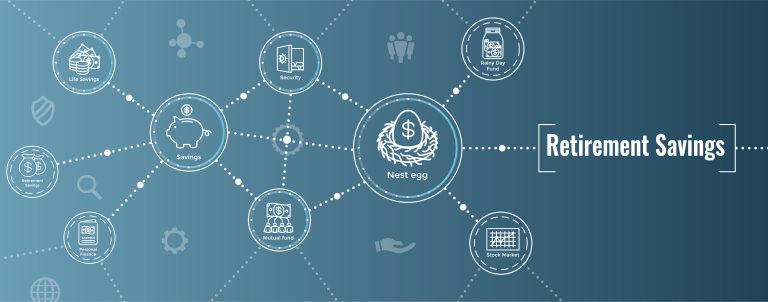
Find out about the types of employer-sponsored retirement programs.
6a: Eligibility
Employer-sponsored retirement plans
Goal: to understand the types of retirement plans
Many, but not all, employers have an employer-sponsored retirement plan. Employer plans may be funded as follows:
- Completely funded by the employer
- Funded only by employee contributions
- Funded by contributions from both the employer and employee
Questions to keep in mind:
- Does your employer have a retirement plan?
- Is it funded completely by the employer, by employee contributions, or do employer and employee contribute?
- Are you eligible to participate in the plan?
- If you are a participant and must contribute, are you making the maximum contribution?
Resources
An excellent resource is located at the Department of Labor, Pension and Welfare Benefits website. It is entitled Women and Retirement Savings. While some of the publication is directed towards women, the information is generalized for everyone’s benefit. It will take about ten minutes to read.
For a general description of retirement plans go to What you should know about your retirement plan (Source: U.S. Department
6b: Defined Benefit
Employer-defined benefit pension plans
John works for an employer who has a “defined-benefit” pension plan. John may be eligible for a benefit based on the number of years worked, average of his salary for the last 3-5 years, and a percentage that is stated in the plan.
In this type of plan, the number of years worked may need to be a certain number such as 10, 15 or 20. Or there may need to be a combination of years worked and employee’s age. (Note: it is important to learn what the requirements are for your employer’s plan.)
Question:
John plans to retire next year after working for the employer for 30 years. His average income for the last 5 years was $45,000. John knows that his annual “benefit” will be 1.5% or 0.015 * the number of years worked * his average annual income during the last 5 years of employment. What will John’s benefit be?
Answer:
John’s annual benefit will be 0.015 * 30 * 45000 = $20,250.
6c: Defined Contribution
Employer 401(k) plans and 403(b) plans
Lisa works for an employer who has a 401(k) plan. This type of plan is the most well-known of all “defined-contribution” plans. The amount that an employee contributes each year is not subject to income tax, and earnings on the contributions grow tax-deferred until the employee retires and begins withdrawing from the account. When employees retire, the amount they withdraw is subject to income tax. Plans have regulations on eligibility and withdrawals.
Many employers “match” the contribution of an employee up to some limit.
Questions:
- If Lisa earns $25,000, can contribute up to 10% of her salary, and the employer matches 50 cents for each dollar up to 6% of her salary, what amount will be contributed by the employer if Lisa contributes a corresponding amount?
- What amount must Lisa contribute to receive the employer’s “match”?
- What additional amount could Lisa set aside? (Note: It will not be matched by the employer, but earnings will grow tax-deferred until retirement.)
Answers:
- 0.06 * $25,000 * 0.5 = $750
- 0.06 * $25,000 = $1,500
- 0.04 * $25,000 = $1,000
6d: Investment Decisions
Who makes the decision on how savings are invested?
Lisa works for an employer who has a 401(k) plan. This type of plan is the most well-known of all “defined-contribution” plans. The amount that an employee contributes each year is not subject to income tax, and earnings on the contributions grow tax-deferred until the employee retires and begins withdrawing from the account. When employees retire, the amount they withdraw is subject to income tax. Plans have regulations on eligibility and withdrawals.
Many employers “match” the contribution of an employee up to some limit.
Question:
Who makes the decision about how Lisa’s savings are invested?
Answers
Lisa. She will be able to choose from the investments selected by the employer. A typical plan has 7 or 8 choices. These usually consist of mutual funds ranging from low risk to more risk.
If Lisa worked for a not-for-profit employer, it is possible that the employer would sponsor a 403(b) salary-reduction plan that is similar to a 401(k) plan. State and local government employees may contribute to “457” plans that are similar to a 401(k) plan.
Follow-up:
- Ask your employer what type of plan is available.
- Find out if you are eligible to participate.
6e: Profit-Sharing Plans
Employer profit-sharing plans
There are three basic approaches to funding profit-sharing plans. They are:
- Current (cash): profits are paid directly to employees in cash, check, or stock as soon as profits are determined.
- Deferred: profits are credited to employee accounts to be paid at retirement or upon other stated circumstances such as disability, death, severance, etc.
- Combined: part of the profit is paid out currently in cash and part is deferred.
Employer contributions to profit sharing plans may be made on a discretionary basis (as determined annually by the board of directors) or in accordance with a definite predetermined formula.
Questions:
David’s employer has a profit-sharing plan.
- How will David know how much his plan will “grow” each year?
- Will David have enough money for retirement?
Answers

Determine what retirement plans are available for self-employed or small business owners.
7a: Simple retirement solutions
A good place to start
Goal: learn about all of the possible retirement plans for the self-employed or small business owner. Many people choose to have their own business. They have several options for retirement plans.
Explore Choosing a Retirement Solution for Your Small Business, developed by the U.S. Department of Labor Employee Benefits Security Administration and the Internal Revenue Service. This site explains a number of retirement plan options and includes tools for choosing a retirement plan.
Follow-up:
Make a list of retirement plans that would work for you if you are self-employed or a small business owner.
7b: Simplified Employee Pensions
Specific information and commonly asked questions
Another excellent resource that is focused only on Simplified Employee Pensions (SEPs) is also on the U.S. Department of Labor website. It includes specific information about who must be included and commonly asked questions. It is 16 pages long.
Follow-up:
- List 1 or 2 reasons why an SEP would work for you.
- List 1 or 2 reasons why an SEP would not work for you.
7c: SIMPLE Plans
Another resource that focuses only on SIMPLE plans
A resource that focuses only on Savings Incentive Match Plans for Employees of Small Employers (SIMPLE) plans is on the U.S. Department of Labor website.
Follow-up:
- List 1 or 2 reasons why a SIMPLE plan would work for you.
- List 1 or 2 reasons why a SIMPLE plan would not work for you.
7d: Comparison Chart
Retirement plans for small business owners
Fidelity Investments indicates that retirement plans for small business owners fall into two categories:
- Lower cost, less administration
- Higher cost, more administration
Reading up on and comparing SEP-IRAs, Keogh plans, SIMPLE-IRAs, and 401(k)s can be beneficial in helping business owners decide which type of plan suits them best.
Follow-up:
- Would one of these plans be appropriate for your needs if you are self-employed?
- If none of these plans are appropriate for your needs, have you considered an Individual Retirement Account? If you want to learn more about an IRA, go to Module 8.
Learn about IRAs and how to start one.
8a: The IRA Basics
Options of investing in tax-deferred financial products
Goals:
- to explain IRAs
- to determine eligibility for a tax deductible IRA
- to explore the type of IRA appropriate for an individual
- to explain how to start an IRA
Individuals have the option of investing in tax-deferred financial products as a way to save for retirement. These products include traditional IRAs and Roth IRAs.
The guides that are listed below provide the basics about IRAs as well as explaining how to establish an IRA. You should allow about 20 minutes to read.
- Contributions to Individual Retirement Arrangements (IRAs) (Source: IRS)
- Understanding IRAs (Source: 360 Degrees of Financial Literacy)
8b: IRA Examples
Determine eligibility
Resources
Individual Retirement Account (IRA)
(Source: Investopedia)
Questions:
Abby, age 25, is single and has no retirement plan at work. She has an adjusted gross income of $39,000.
Question: Is Abby eligible for a tax-deductible IRA?
Mike, 27, and Sandy, 38, want to know if Mike is eligible for a tax-deductible traditional IRA. Mike is self-employed and has no retirement plan. Sandy works for a publishing company and has a defined-benefit plan. Mike and Sandy’s adjusted gross income is $62,000.
Question: Would Mike be eligible for a tax-deductible traditional IRA?
Answers
Abby is eligible for a tax-deductible traditional IRA.
Mike is eligible for a tax-deductible traditional IRA because their joint income is less than
$150,000.
8c: Traditional IRA or Roth IRA?
Your situation influences which type is appropriate for you
One decision individuals have to make is whether to use a traditional or a Roth individual retirement account. Your situation will influence which type is most appropriate for you.
Many investment firms offer IRA calculators to assist with this decision. These calculators provide general estimates that can be helpful in seeking further assistance with setting up a traditional IRA or Roth IRA.
The American Institute of CPAs on 360 Degrees of Financial Literacy also provides a calculator to help you decide whether a traditional IRA or a Roth IRA is best for you.
In order to complete the forms for the calculators you will need some specific information. Different calculators ask for different information. You will need to know:
- your tax return filing status
- if you currently participate in an employer-sponsored retirement plan
- if your spouse currently participates in an employer-sponsored retirement plan
- your federal income tax rate
- state tax rate
- adjusted gross income
- years to contribute to an IRA
- amount you expect to contribute to an IRA annually
8d: Traditional & Roth Examples
Choose which type to use
Questions:
- Abby, age 25, is single and has no retirement plan at work. She has an adjusted gross income of $39,000. Abby wants to find out whether a Roth or a traditional IRAL will provide the most retirement income.
Abby wants to retire when she is 67 and begin using the funds in her IRA. She expects to make withdrawals until she is 87. She is in the 28% tax bracket and expects she will be in the 15% bracket during retirement. She would like an 8% rate of return on her investments. She plans to contribute $4,000 each year.
Question: By comparing IRAs, which IRA makes the most sense for her?
Mike, age 27, is self-employed and has no retirement plan. Sandy, age 38, works for a publishing company and has a defined-benefit plan. Mike and Sandy’s adjusted gross income is $62,000.They want to retire when they are 62 and begin withdrawing from their IRA. They expect to live to age 85. Mike and Sandy would like to earn 9% on their investments.
Question: Which IRA makes the most sense for Mike and Sandy?
Abby used several calculators on the Internet and learned that she would have more income
in retirement if she contributed to a Roth IRA instead of a traditional IRA.
Mike and Sandy used several calculators on the Internet. They decided that the Roth IRA
would be more beneficial.
Resources
If you want to make some comparisons for yourself, here are some calculators that you might like to try.
Traditional vs. Roth Calculator (Source: 360 Degrees of Financial Literacy)
8e: Funding an IRA
Several options for funding
Once you have determined that you want to fund an IRA, you have many options. For general information about funding an IRA, visit the Kiplinger site.
Please click here to learn more about basic investing. (Source: FINRA)
 Examine lump sum distributions and what to do with one.
9a: Lump Sum Distribution
The definition of a lump sum distribution
Goal: to understand lump sum distributions.
To be considered a “lump sum distribution” for tax purposes, money must come from an Internal Revenue Service (IRS) qualified retirement plan. Some examples would be a 401(k) plan, profit-sharing plan, or other approved pension plan.
A lump sum must be payable due to separation from service, death, disability, or after you have reached age 59 1/2. In simpler terms, you could be eligible to e a lump sum distribution at job change, layoff, or retirement. You must receive the entire amount within one tax year.
9b: What Should You Do With It?
Options for lump sum distributions
What should you do with a lump sum distribution?
- Take the money and pay the taxes.
- Take the lump sum and use tax averaging.
- Deposit the money into an Individual Retirement Account (IRA), other qualified retirement plan, or a new employer’s plan. This is called a “rollover”.
- Leave the money in your current employer’s plan.
Early Termination
A participant who terminates employment before normal retirement age can have up to three options: receive a lump sum distribution, roll the assets over to an IRA or other qualified plan, or leave the funds in the pension plan.
If the participant’s vested account balance is less than $5,000, the law allows, but does not require the plan to disperse the balance to the participant if the participant does not make a timely election. This is called a forced payout.
If the amount is between $1,000 and $5,000, the payout can be directly rolled to an IRA if the participant has not made a timely election and the plan requires a forced payout. A forced payout for an amount less than $1,000 is not affected by this change.
Resources
Lump Sum Distributions (Source: IRS)
How to Handle a Lump Sum Distribution (Source: Smart Money)
What to do about a lump sum distribution when:
9c: When Starting a New Job
Lynn, age 30, is leaving her current job and starting a new job. She has a lump sum distribution of $3,500. She would like to plan for retirement, but she would also like to pay some bills, take a vacation, and get a new wardrobe.
She is currently earning about 9% on the lump sum. She doesn’t know when she will retire, but thinks that age 67 is about right. Lynn’s options:
- Lynn could roll over the lump sum distribution into an IRA and the amount would continue to earn interest until she retires. Using a financial calculator, Lynn estimates that the $3,500 could grow to $60,359 after 37 years if it earned 8% interest compounded annually.
- If she takes the lump sum distribution in cash, there will be a 10% penalty (because she is younger than 59 ½) and she will owe regular income taxes on the amount withdrawn.
Lynn needs to decide between having a small amount now or waiting until she retires.
Compound Interest Calculator (Source: MoneyChimp)
9d: Getting Ready to Retire
Al, age 62, has the possibility of a large lump sum distribution from his employer. Because he is retiring and is older than 59 ½, there is no penalty tax associated with the withdrawal.
He plans to roll the money over into an IRA and establish “substantially equal periodic payments” over his life expectancy or over the joint life expectancy of himself and a beneficiary.
A caution:
Al must be careful to roll over the lump sum within 60 days to an IRA. The employer can do a direct rollover from the employer plan to the IRA (Al will not receive the lump sum in the interim.
If Al takes t of the lump sum, the employer must withhold 20% from the total for taxes.
If Al takes the lump sum but makes the rollover into the IRA within the 60-day limit, he will eventually receive a refund of the 20% withholding tax.
There are additional regulations that might apply, but these two illustrations should help you decide what to do with a lump sum distribution. Be sure to discuss the proposed distribution with your plan sponsor before making a commitment.

Explore other retirement living concerns.
10a: Enjoying Retirement
Concerns related to retirement living
Goal: to identify other areas to consider when planning retirement.
In addition to thinking about your financial needs during retirement, you may have other concerns related to retirement living. Leisure time use is often different for retirees than for non-retirees. You may be thinking of moving to a different home or location for your retirement years. Below you will find information about enjoying retirement living.
Planning, Protecting and Enjoying Retirement (Source: AARP)
In addition, the federal government’s Administration on Aging site allows you to information about employment and volunteer activities, travel and leisure, education and training, as well as health and nutrition information.
10b: Retirement housing
Factors to consider regarding housing
For questions about housing during your retirement years, the U.S. Department of Housing and Urban Development maintains the following website:
Information for Senior Citizens
Information from National Association of Area Agencies on Aging includes many different housing options for older adults. This information can be found from Housing Options for Older Adults.
Another site that includes a variety of information related to retirement living is maintained by the American Association of Retired Persons (AARP). You may view information on volunteering, health and wellness, leisure and fun, and other related topics.
10c: Estate planning
Information about estate planning
Many people include estate planning as they think about retirement planning.
- What do you want done with your property after your death?
- Do you know the advantages and disadvantages of living trusts?
- Do you have a living will, health care representative, or durable power of attorney?
One site that gives good information is Getting Ready for Estate Planning (Source: Purdue University). This website introduces basic concepts, tools you can use, and helpful checklists that you can complete and use with an attorney.
You will need to check the state laws where you reside for specific estate planning information.
10d: Long-Term Care
Information about long-term care
Long-term care is another area many people consider when they think about retirement planning. Here is some general information on long-term care:
Long Term Care Information (Source: U.S. Department of Health and Human Services)
Costs & How to Pay. Decisions regarding a range of issues- from how to pay the bills to caregiving roles- can challenge family relationships. Take time to understand potential sources of conflict in advance.
(Source: NIH)
10e: Benefits Checkup
Information about federal and state assistance programs for older Americans
The National Council on Aging created The Benefits CheckUp to help people quickly identify programs that they may qualify for and how to apply for them. Family and friends can use this service to get facts about programs for loved ones.
You will need to enter information such as your age, income, and zip code so p can identify programs. Your information is confidential.
There is another site for financial security in later life. This site’s goal is to help consumers gain skills, confidence, and motivation to build financial security for themselves and their families. It includes online tools for later-life financial planning.
Financial Security: Retirement Planning (Source: eXtension, Cooperative Extension, USDA)
10f: Review
The tools for making a secure retirement in reality
For a good review of planning for retirement, see:
Retirement Plans: Benefits & Savings (Source: U.S. Department of Labor)
For more information about planning for financial security throughout life, see:
Financial Security: Retirement Planning (Source: n, Cooperative Extension Service/USDA)
10g: When Your Income Drops
If economic misfortune strikes you or your family in the form of reduced income, is there anything you can do to minimize the hardship? Yes! Here are severa; suggested steps you can take to maintain financial control.
These titles correspond to the steps you can take:
- Don’t Panic-Take Control
- Control Stress
- Take Stock of Family Resources
- Take Stock of Community Resources
- Set Priorities for Spending
- Plan to Pay Creditors
- Keep a Roof Overhead
- Meeting insurance Needs
- Sharpen Your Survival Skills
Take the specific steps outlined below to stay in control of your finances.
If economic misfortune strikes you or your family in the form of reduced income, is there anything
you can do to minimize the hardship? Yes! This set of Purdue Extension fact sheets suggests a number of steps you can take to maintain financial control. The titles of these fact sheets correspond to the steps you can take:
- Don’t Panic – Take Control
- Control Stress
- Take Stock of Family Resources
- Take Stock of Community Resources
- Set Priorities for Spending
- Plan to Pay Creditors and Protect Family Welfare
- Keep a Roof Overhead
- Meeting Insurance Needs
- Sharpen Your Survival Skills
Abrupt loss of income, whatever the reason, is traumatic. Often the financial setback was not anticipated. When it happens, a common instinct is to panic. Although natural, the temptation to tailspin must be avoided as much as possible.
Loss of income affects many people for many different reasons. It doesn’t help to blame yourself and the energy you spend blaming yourself could be better spent dealing with your situation. Feeling the effects of stress is very human and very natural. Fact sheet 2, Control Stress, will help you develop and follow a plan to reduce stress and maintain control of your financial position.
Fact sheet 3, Take Stock of Family Resources, will help you take stock of what you own and what you owe. Fact sheet 4, Take Stock of Community Resources, provides a partial listing of important community resources designed to help you and others in times of economic or personal distress. Designing a family spending plan sets your family up for success by setting up a mechanism to control your spending. Fact sheet 5, Set Priorities for Spending, outlines steps in putting together and implementing a spending plan.
One of the most stressful outcomes of a loss in income is the worry that creditors are impatiently waiting for you to pay overdue bills. Fact sheet 6, Plan to Pay Creditors and Protect Family Welfare, gives suggestions for working with creditors to meet your outstanding obligations.
Keeping a roof overhead, the utilities hooked up, and essential insurance are top priorities when income drops. Fact sheets 7 and 8, Keep a Roof Overhead, and Meeting Insurance Needs, discuss these concerns. Fact sheet 9, Sharpen Your Survival Skills, has ideas for substituting, conserving, using your human resources, cooperating, and utilizing community resources to buy food, run your household, purchase clothing, choose transportation, and acquire the other things your family needs.
It is important to understand some causes, effects, and ways of handling stress to cope with difficult times. Severe and prolonged stress of the type associated with events causing loss of income can have a serious effect on a person’s physical and mental health. Stress-related exhaustion is believed to play a significant role in heart attacks, high blood pressure, cancer, some kinds of arthritis, migraine headaches, peptic ulcers, asthma, allergies, and kidney and thyroid disease. Stress alone probably does not cause these disorders; rather, it is one factor in their onset and progression. In addition, stress contributes to many types of accidents through human error, fatigue, worry, and haste.
If your income has dropped, suddenly you must cope with this worry as well as daily reminders-the bills piling up, the children needing shoes, medical treatment, or school supplies. Regardless of the source of stress, your body may react to it in three stages: alarm, resistance, and exhaustion.
Managing your well-being
What can you do? Concentrate your efforts on keeping your psyche, your family, and your body as strong as possible: Don’t blame yourself for what has happened. Many other people are in your situation. Find support with friends, family, and others going through similar circumstances. The anger and depression you feel will gradually disappear. Recognize it for what it is - a natural and temporary feeling.
Don’t keep anxiety and anger bottled up. Talk out your problems with your family or someone close to you. Be honest about your situation, your anger, your hurt, your confusion. Your spouse and children know when you are feeling tension. Others can help if you will let them.
Take one thing at a time. Set small goals and celebrate your progress. Don’t try to resolve all your problems at once.
Keep yourself occupied, active, and involved. The loss of a job presents you with more time than you want to think about your troubles. Of course, you need to spend some time planning your future but don’t allow yourself to worry continuously about these problems. Spend some of your time doing those family and personal things you’ve been postponing for years.
Keep yourself healthy through sensible diet and exercise. Although your family income may be sharply reduced, it is important to maintain good nutrition. Exercise regularly to keep fit, reduce tension, and help your self-esteem. Maintain medical and life insurance if possible.
References:
- Cudaback, J. Stress, Parts I-V, Cooperative Extension Service, University of California.
- Bridgman, Layoffs and Stress: What You Can Do About It. Kansas Department of Social and Rehabilitation Services.
- National Manpower Task Force and the Coping with Unemployment Network, “Family Security,” Coping with Unemployment Resource Notebook, Cooperative Extension Service. Dr. Joe Lanham, Program Leader, USDA
3. Take Stock of Family Resources
If your income has suddenly decreased, you may be worried about how you will have enough money for all of your expenses. In order to adjust your spending to fit your current situation, you need to know where you are financially. Use these steps to have a better picture of your financial situation and consider resources that can help you manage right now.
First, determine your net worth, which is your assets minus your liabilities. Your net assets include: liquid assets (cash on hand, checking and savings accounts, money market accounts, certificates of deposit, cash value life insurance); marketable assets (stocks, mutual funds, savings and other bonds); nonmarketable assets (individual retirement accounts, current value of pensions, money owed to you from others); and personal assets (market value of your home and other real estate, value of vehicles, boats, RVs, furniture and appliances). Your liabilities are what you owe. These include mortgage, home equity loan, vehicle and other loan(s), credit and charge account balances, current unpaid bills and any other debts. When you subtract your total liabilities from your total assets, the balance is your net worth. Take this a step further, and update or create your spending-savings plan.
Next, take a look at other non-financial resources your family has. These might include skills, education, ability, creativity, talents, time and energy. Although these resources are sometimes difficult to value in terms of money, they could help your family thought challenging financial times.
Now might also be a good time to consider selling those things you’ve been meaning to for a while. Have your children outgrown all of the baby items you still have? Do you have household and clothing items you no longer use, but are still in good condition? Do you find that you have too much “stuff”? Think about how you can generate extra income by selling items that are taking up valuable space in your home that someone else can put to good use.
Consider the many online options to share what you have for sale, as well as how to transfer payment from buyer to seller.
Purdue Extension Health and Human Sciences has a wide range of resources to help you navigate through challenging times. Find us at https://www.purdue.edu/hhs/extension/, and on Facebook at Purdue University Health and Human Sciences Extension.
4. Take Stock of Community Resources
The loss of income or a job can be a traumatic experience for individuals and their families. Many support services exist in Indiana to assist those coping with unemployment or other sudden loss of income. This fact sheet presents an overview of the major resources that people can draw upon when they find themselves out of a job or in economic difficulty.
Unemployment Insurance: Indiana’s unemployment insurance is funded by an employer payroll tax and administered by the state’s Department of Workforce Development. If your previous employer is covered by the Indiana Employment Security Act, you should file a claim for unemployment insurance Apply online by visiting https://www.in.gov/dwd/2362.htm
You can also receive valuable job-hunting assistance at one of the WorkOne They provide computerized job listings, which are updated daily, and civil service bulletins that list job vacancies. WorkOne centers have trained counselors who also try to match jobs with persons needing work. Visit: https://www.in.gov/dwd/workone/
SNAP-(Supplemental Nutrition Assistance Program): You may qualify for SNAP if you work for basic wages, if you are unemployed or work part-time, if you receive TANF or other assistance payments, if you are elderly or disabled, or if you live on a small income. Program provisions are slightly different for the elderly and disabled. To apply online visit https://fssabenefits.in.gov/bp/#/
Health Services-Indiana: Medicaid-provides a broad range of health services to low-income Visit https://www.in.gov/medicaid/ Persons receiving TANF, SSI payments, or Social Security disability payments and individuals or families meeting income and resource guidelines are eligible for Medicaid in Indiana.
5. Set Priorities for Spending
If you or your family are faced with a reduction or loss of income, you’ll need to develop a plan to help you meet your expenses. It’s important to look realistically at the situation and actively seek solutions to your problems, despite the discomfort it will initially bring.
Start by listing what money is available. How much income can be expected? Do you have cash on hand? Unemployment income? Food stamps? What is the total amount of money that will be available to use for expenses?
Next, list all your expenses and when they are due. Eliminate any expense that is not essential. What expenses can be delayed? Contact your creditors, most have a Coronavirus relief plan. Many are waiving fees and/or allowing interest freezes.
- Keep a roof over your head: If Coronavirus has impacted your ability to pay your mortgage, you must contact your bank or mortgage company and ask them what relief is available to you. The lender should be able to work with you and set up a new plan. If you make a late or reduced payment without contacting the bank, those payments will be reported to the credit bureaus. If you establish a new payment plan, you will need to follow through on the new plan to keep your credit history in good shape.
- Make sure you have food to eat and the medicine you need: Utilize food pantries and sign up for SNAP benefits at https://www.in.gov/fssa/dfr/2999.htm. Contact your doctors if you are having trouble paying for your prescriptions, they may be able to offer a cheaper medication or direct you to a medical program that can assist with the cost.
- Keep the utilities operating: Most utility companies have indicated that they will not cut off service because of nonpayment during the Coronavirus pandemic. Contact your utility company and ask for assistance if you are having trouble paying the bill.
- Loans and credit: Contact your lender if you have car loans, student loans, or credit cards that you cannot Many lenders can offer some relief.
When your income drops unexpectedly:
- Figure out how much you can spend.
- Keep track of how much you are spending.
- Decide what you can eliminate.
- Work with creditors to pay bills.
- Explore ways to increase your income.
If your income has dropped, you and your family should openly discuss the situation and make a plan.
Working together will help everyone realize that changes and sacrifices must be made, at least for the immediate future.
If you cannot make your payments to creditors, you will need to contact them and talk to them about your new situation. Before you talk to creditors you will need to determine how much money you owe and how much money you will have to pay your bills.
You are legally obligated to pay all of your creditors. However, if you cannot make all of your payments you should strategize the best way to handle the payments. If you don’t have enough money, bills should be paid back based on what will happen if you don’t pay your bills. Things to consider include: Is the loan secured with property, car, or other assets? How much interest are you paying? What will happen if you don’t pay on time? Is there a grace period, penalty, does the full loan become due, will utilities be cut off?
Here are some examples of debts you want to pay back first:
- Housing, and any loan for which your home has been used as collateral
- Utilities
- Car loan
- Other secured loans
- Credit cards and other unsecured debt
- Student loans
- Installment loans on household goods
- Loans without collateral, such as attorney fees, doctor, and hospital bills
If you cannot make your credit payments, contact your creditors before they contact you. Tell them why you cannot make the payment and ask if they will work with you to create a plan to pay the bill.
Questions for consideration:
- Will the creditor accept a reduced payment? How long will a lower payment be accepted?
- Will the creditor reduce or eliminate the finance charge? If so, for how long?
- What is the reconnection fee if this service is discontinued and restarted later?
Experiencing a loss of income can be devastating. There are a variety of community resources that can help you. Taking control and mapping out a plan will help you weather the storm.
When you rank your bills in order of priority, chances are shelter and utilities are at the top of the list.
Contact the lender. Explain your situation and try to work out an alternative payment schedule. Before calling, prepare a projection of income and expenses, and a plan for continuing to meet at least part of the payments. If you are having trouble paying your mortgage loan, consider talking to a counselor approved by the U.S. Department of Housing and Urban Development. Housing counselors can provide advice on buying a home, renting, defaults, foreclosures, and credit issues. These counselors are available at little or no cost to you.
Contact your utility providers. If you are having trouble meeting payments, contact your utility provider. The utility company will work with you on a payment schedule. You may be asked to sign a “pay agreement” laying out the manner in which you will meet your obligations. If you are having trouble paying your utility bills, contact your township trustee, your county’s office of the Division of Family and Children, or connect with a resource navigator at Indiana 211, to assist with utility bills.
Think of alternatives. Consider alternative ways to cover mortgage payments. Could you rent a spare room or share the house and the mortgage payments with others? Assess your housing options realistically. If you rent your home or apartment, be familiar with the terms of your lease. More mortgage repayment options can be found on the Consumer Financial Protection Bureau’s website.
Be aware of fraud & scams. Unfortunately, scammers take advantage of desperate situations. If information sounds too good to be true, it is probably a scam. Be aware of fraudulent advertisements from companies willing to pay your mortgage, lower your interest rate, refinance a loan or save your home from foreclosure. Indiana Attorney General, Curtis Hill has provided a list of tips to avoid phishing scams. Stay current on scam and fraud alerts by visiting the Indiana Attorney General’s Website.
If you have lost your job due to the COVID-19 pandemic, an important concern is maintaining your insurance coverage. Unemployment is stressful and can sometimes lead to health problems in the family.
If you are covered under a company group health plan, find out what provisions exist for extending insurance coverage after a separation. Employers with 20 or more employees are required to offer continuation of health coverage for you and your dependent(s) for up to 18 months under COBRA group health insurance plans. If you wish to continue your group coverage under COBRA, notify your employer within 60 days. You will have to pay the entire premium.
If COBRA does not apply in your case, you may be able to convert your group policy to individual coverage. When converting, you may not have to pass a medical exam; however, benefits may be reduced and premiums will probably be higher. A third option may be to become covered on your spouse’s group health insurance. Check if and when your spouse could add family coverage.
A fourth option is to investigate buying insurance through the Healthy Indiana Plan (HIP 2.0). It is an affordable health insurance program for uninsured adult Hoosiers. HIP 2.0 pays for medical expenses and provides incentives for members to be more health conscious. To find out if you may be eligible to participate in the Healthy Indiana Plan, visit www.in.gov/fssa/hip/ or call 1-877-438-4479. Additionally, there are health services for the elderly, disabled, children and pregnant women. These may include immunization programs, well baby clinics, blood pressure checks, free health clinics and screening programs. Check with your county public health department and social service agencies for recommendations.
If you have life insurance, try not to let it lapse if others depend on your income or wage-earning capacity. Your policy could be expensive or impossible to replace later. Owners of whole life insurance policies can borrow against the cash value or use accumulated dividends to pay the premium to keep the insurance in effect. The loan reduces the face value of the policy.
Life insurance protects your dependents against loss of income and helps to pay expenses because of your untimely death. If you no longer have dependents, you may want to cash in your whole life policy when your income drops.
If you have a group term life insurance through an employer, this is pure protection without a cash value or savings feature. If you are uninsurable elsewhere, you may want to convert your former employer’s group plan into an individual policy. If you are healthy, insurable and need coverage, you may benefit from purchasing individual term life insurance. This insurance usually provides maximum protection at the least cost. It insures your life for a fixed period of time and benefits are paid only if you die within that time period.
As with all insurance, evaluate your needs before talking with an agent. Determine your income and living expenses to help you decide how much insurance you need and what you can afford.
For questions about insurance in Indiana, contact the Indiana Department of Insurance, https://www.in.gov/idoi/
9. Sharpen Your Survival Skills
Challenging times can wear us down. There are so many decisions to make and the answers are often not clear.
Pause and take time to write out some simple possibilities that allow you to economize - using what you have for the most good in terms of meeting your needs and wants.
Recognize that you may have a wide variety of resources beyond finances to work with: knowledge, skills, energy, personal property, personal connections, community resources, home, special interests or hobbies, collections, time, tools, and/or technology devises.
To economize, think of ways to:
- Substitute less costly resources for more costly ones: walk instead of drive, play board games instead ofwatching costly cable-on-demand movies, plan purchases instead of items bought on impulse. Use creativity with theingredients you have when preparing a meal.
- Conserve your resources and avoid waste: repair clothing rather than replace, control thermostat settings, useolder food first, and protect what you have through proper care.
- Use resources in new ways: plant a garden in containers, learn a new skill through the internet, and identify newways to use items as on Pinterest, create a compost pile.
- Cooperate with others to multiply your resources, even if it needs to be done in nontraditional ways via phoneor computer: swap items or services, check out community resources, and work together as a family to divide tasks.
If there are multiple people in the household, be sure to talk about options by brainstorming ideas, evaluating which are best alternatives to try, and developing a plan for implementation. This encourages greater cooperation in reaching your goals to economize.
Yes, you may need to make changes from how you have done things in the past to economize. That is part of the sharpening process.
Your survival skills work best when they are sharpened by thinking matters through and developing a plan which you can work on together!
How Can Health and Human Sciences Extension Help You?
We want to hear from you!
Have a question about our programs?
Want to connect with your local Purdue Extension office? Looking to share feedback about a recent experience with Purdue Extension?
We welcome your thoughts.