

What We Do
“Food Systems are complex networks that include all the inputs and outputs associated with agricultural and food production and consumption. Food systems can vary substantially from place to place and over time, depending on location specific conditions.”
-United States Department of Agriculture
The Food Systems Coordinator supports small, diverse farms and value-added food businesses in Indiana. We are also involved in local food in terms of food safety, economics, and education. The Purdue Food Systems program uses an interdisciplinary approach to collaboratively create educational materials and workshops, while engaging community members to build local economies.
Contact Us
Sarah Hanson
Food Systems Coordinator
sspeedy@purdue.edu
615 W. State Street
West Lafayette, IN 47907
765-494-8483
Producer
Producer

Farmers/producers can learn more about community organizations and resources.
View ResourcesFood Safety
Food Safety

Consumer
Consumer

Learn more about organizations and resources to help consumers navigate our food systems.
View ResourcesFood Business and Entrepreneurship
Food Business and Entrepreneurship

Learn more about resources related to Food Business and Entrepreneurship
View ResourcesFeatured Stories
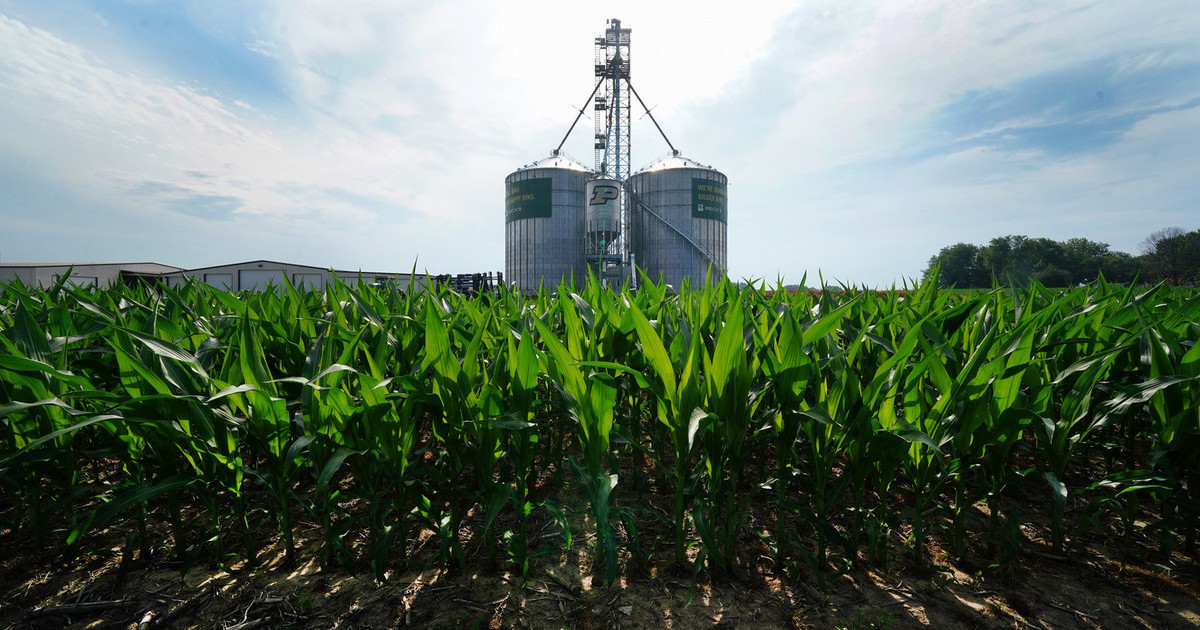
Over the years that I have served in Cooperative Extension, I have watched program areas move through evolutionary phases. Not the forming, storming, norming, and performing kind. The kind that is about relevance. Community Development is a case study. From 1914 into the 1950s it was present but not accounted for…community improvement was written into Extension's founding charge, and the ideas were quietly taking shape in rural sociology and agricultural economics, but there was no funding, no title, and no staff to carry them. Through the 1960s, it slowly came into its own, but remained tethered to agriculture and rural places. Only around 1970, with the founding of the Community Development Society in 1969 and the Rural Development Act of 1972, did it become a recognizable discipline folded into the Extension ranks. When I entered the fray in the early 2000s, we were still debating what to call ourselves (CRED, CRD, CD, CV???), what to focus on, and how to conduct ourselves (the CDS Principles of Good Practice).
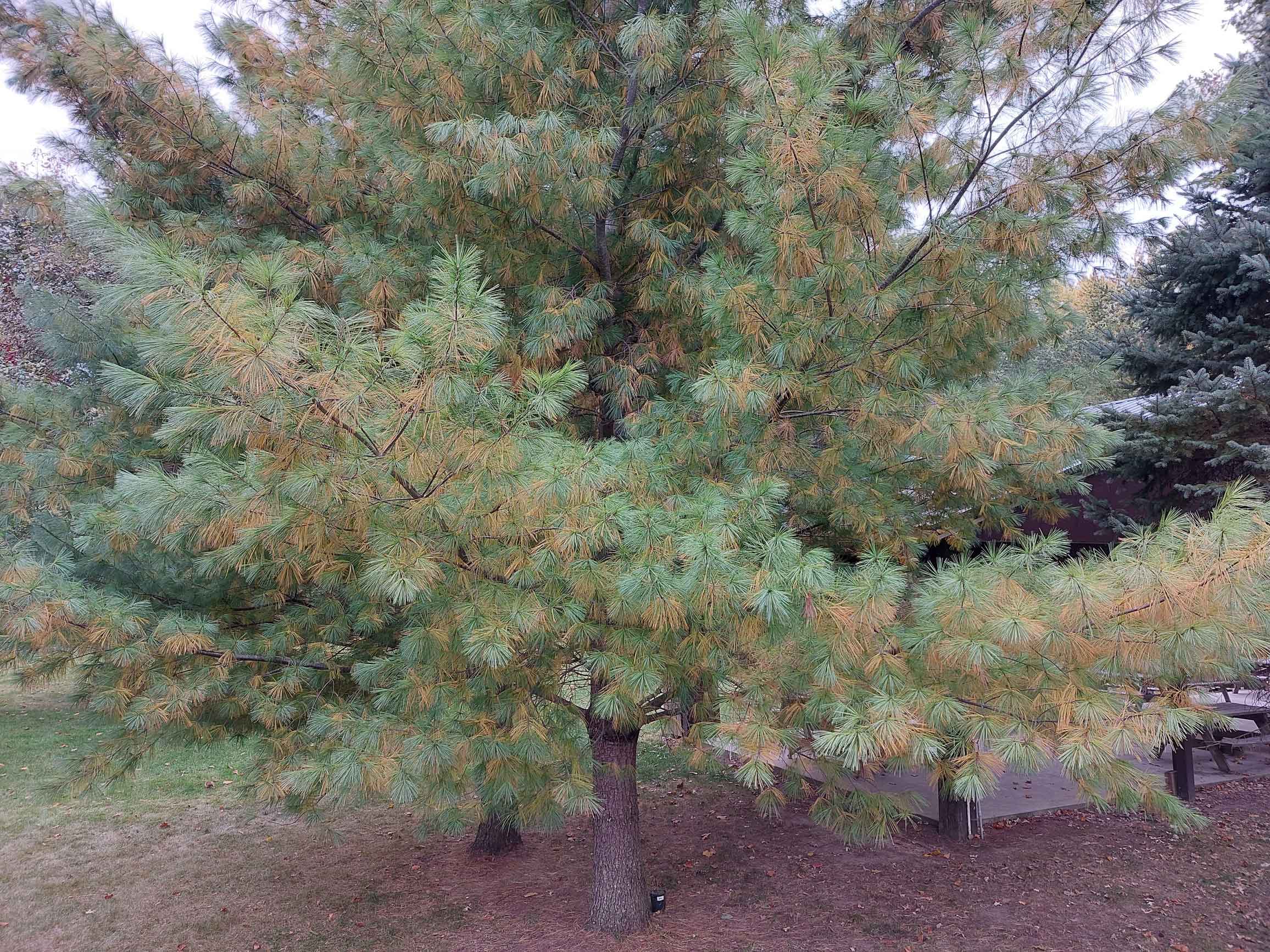
I have received several calls recently from homeowners concerned that their white pine needles are turning yellow and dying.
The Washington County Conservation Partnership is hosting a Forestry Field Day on Thursday, October 29, 2026.
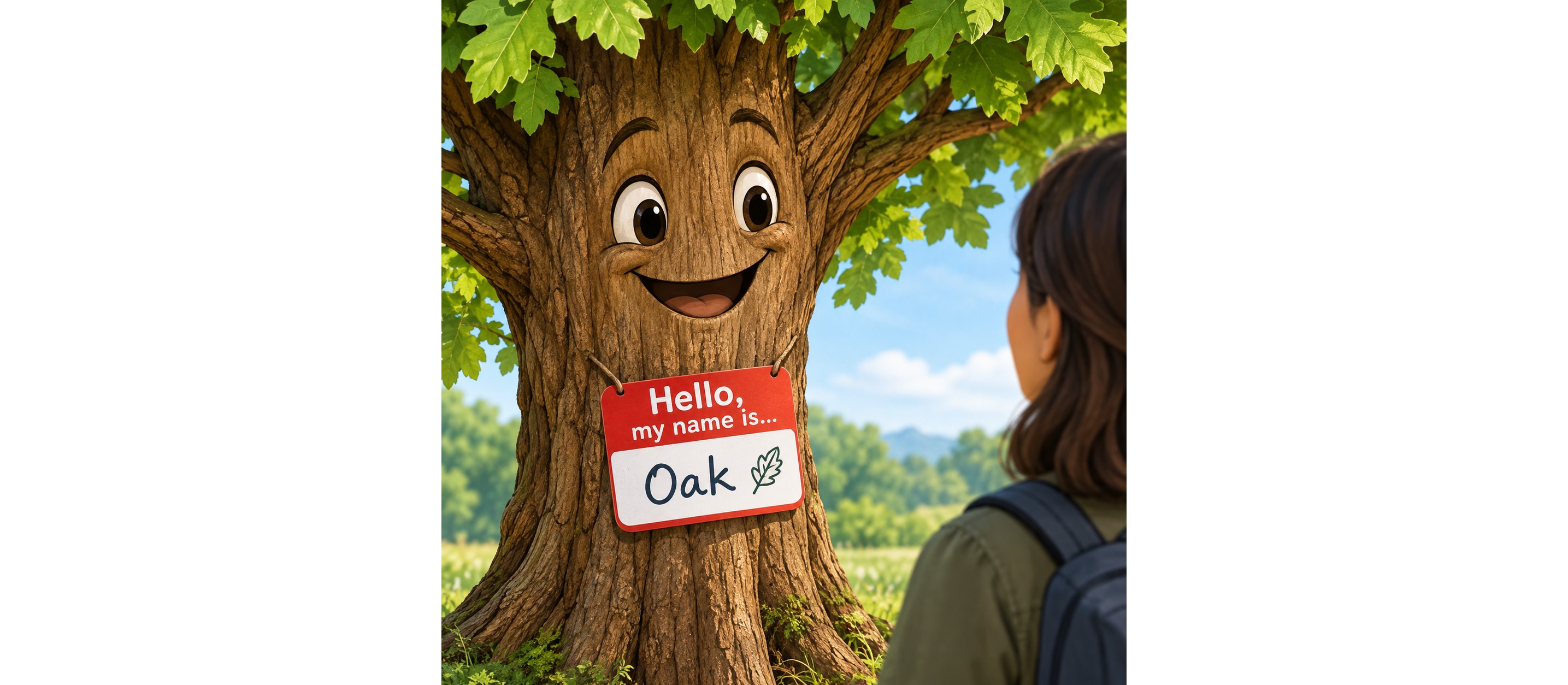
Identifying trees is a worthwhile goal for anyone. Beyond the satisfaction of simply knowing what tree you have, proper identification is a necessary step when trying to identify diseases or insect pests that may be affecting your tree.
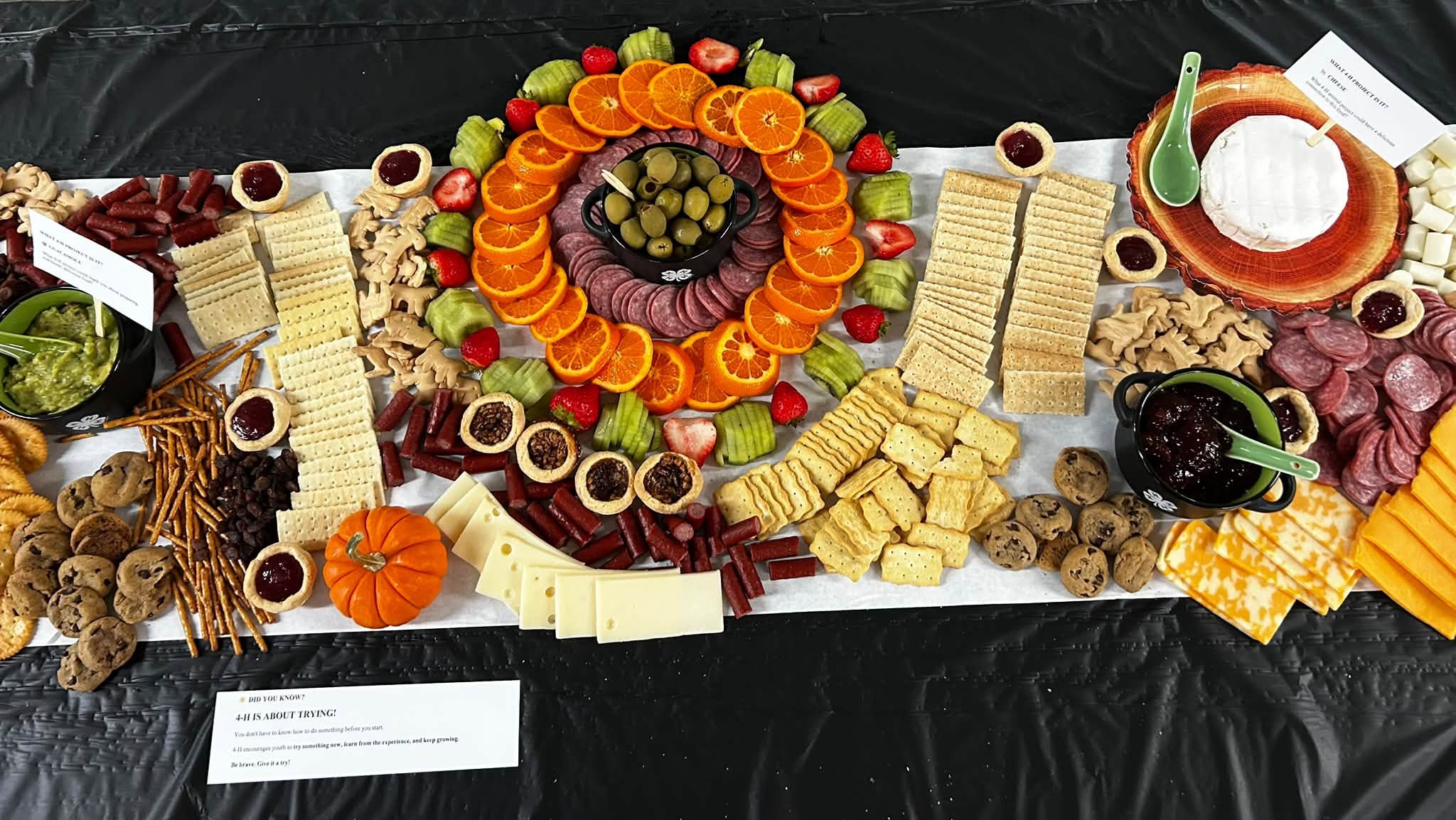
Orange County 4-H Kicks Off a New Year with a Night of Fun and Community
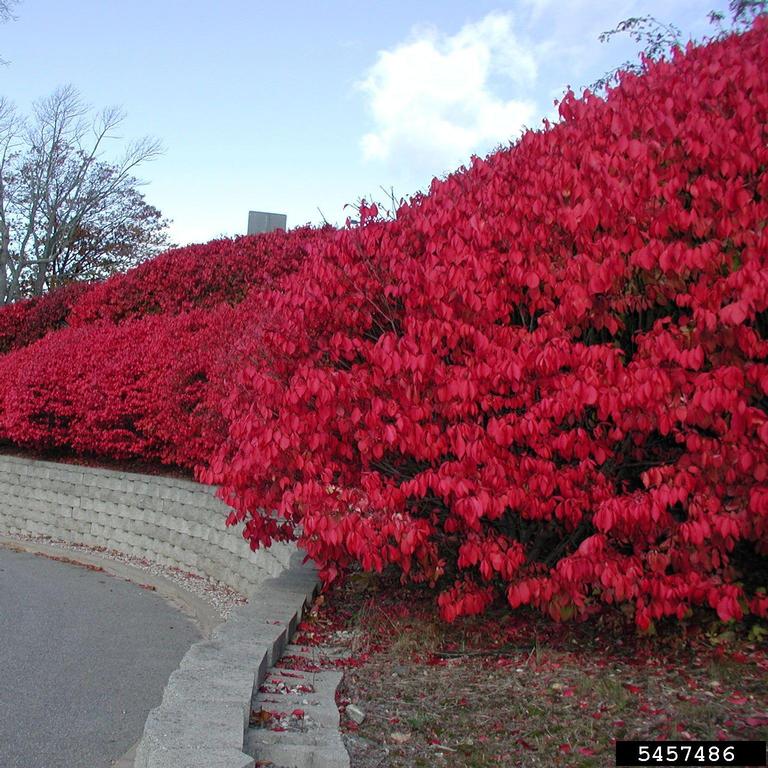
Beauty is not necessarily an overriding virtue for the winged burning bush (Euonymus alatus).